SOYBOYSAAJAN
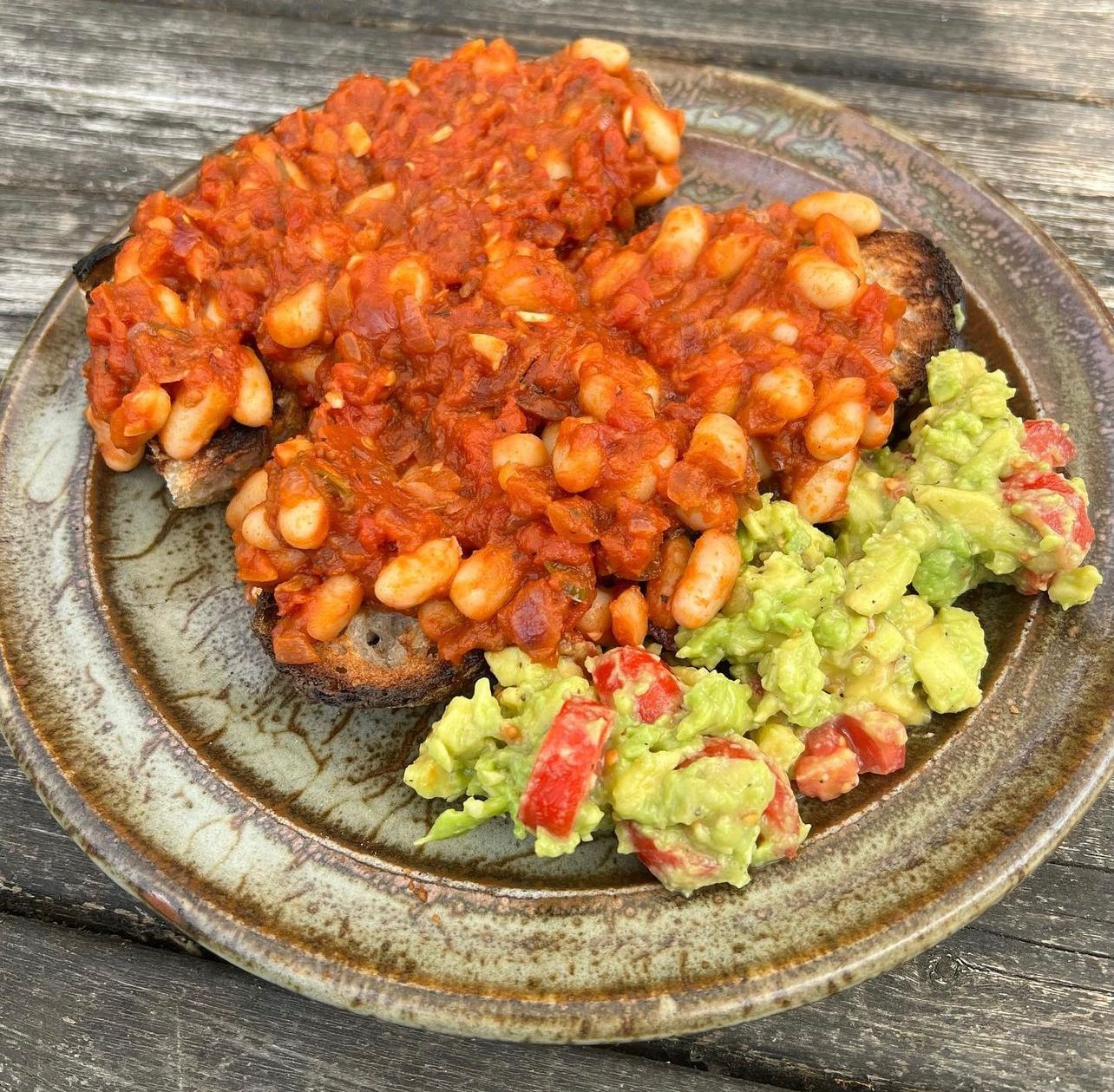
Spicy Beans
If you're bored of basic baked beans, this spicy, flavour-packed version will wake up your taste buds. Perfect for using up leftovers and getting creative with spices.
I grew up vegetarian, so going fully vegan was never the leap most people assume. In 2018 I started eating mostly plant-based, letting myself one cheat meal a month. Every single time, I paid for it the next day. Sluggish, heavy, slow. The last one was my sister's birthday. A Chinese takeaway, usually one of my favourites, that just didn't hit the same. I couldn't justify it anymore. That was 16 June 2020.
What those days added up to?!
Better for the planet
Animal agriculture is one of the biggest drivers of greenhouse gas emissions, deforestation, and water consumption. Turns out, what's on your plate matters more than you'd think. The good news? Choosing plant-based is one of the simplest swaps you can make.

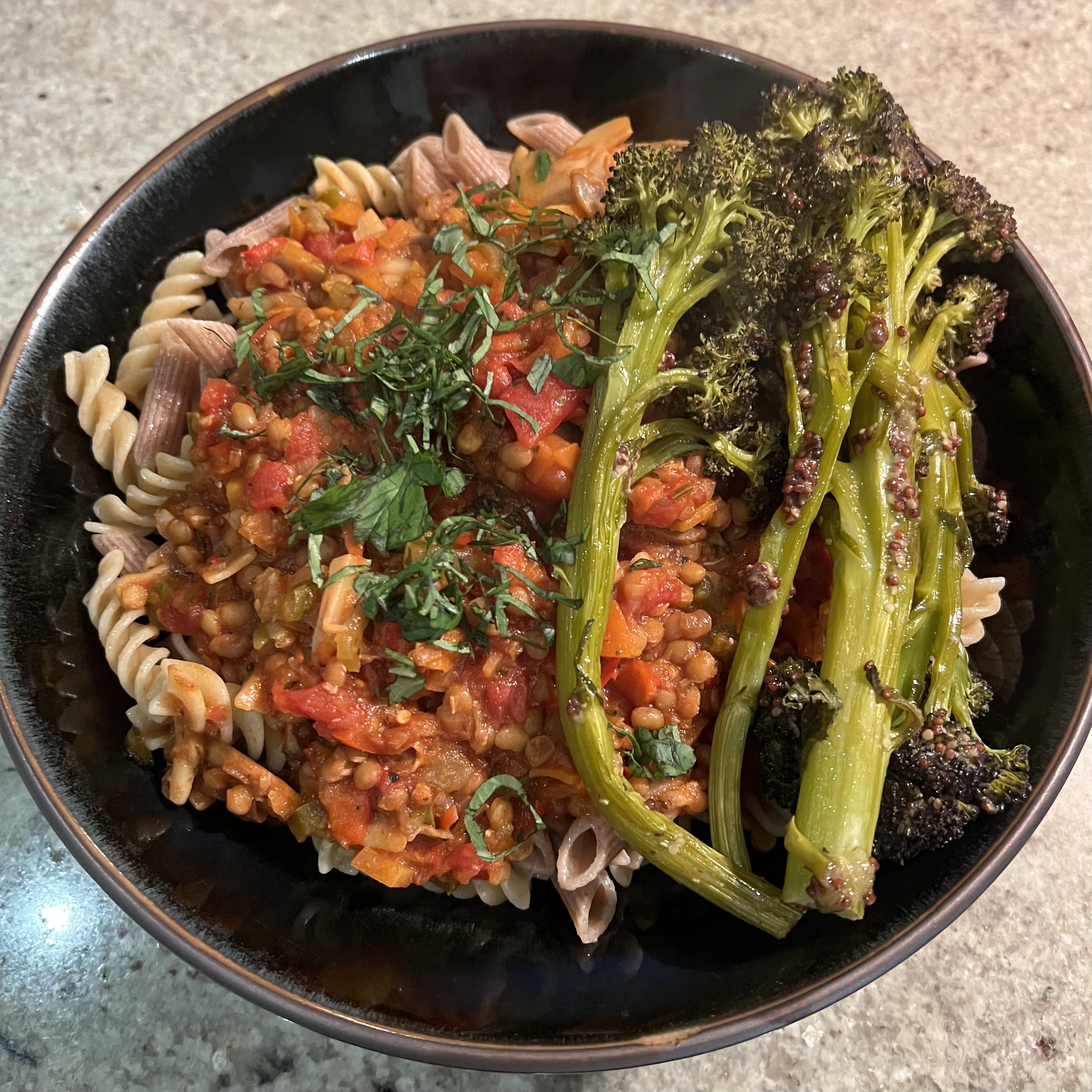
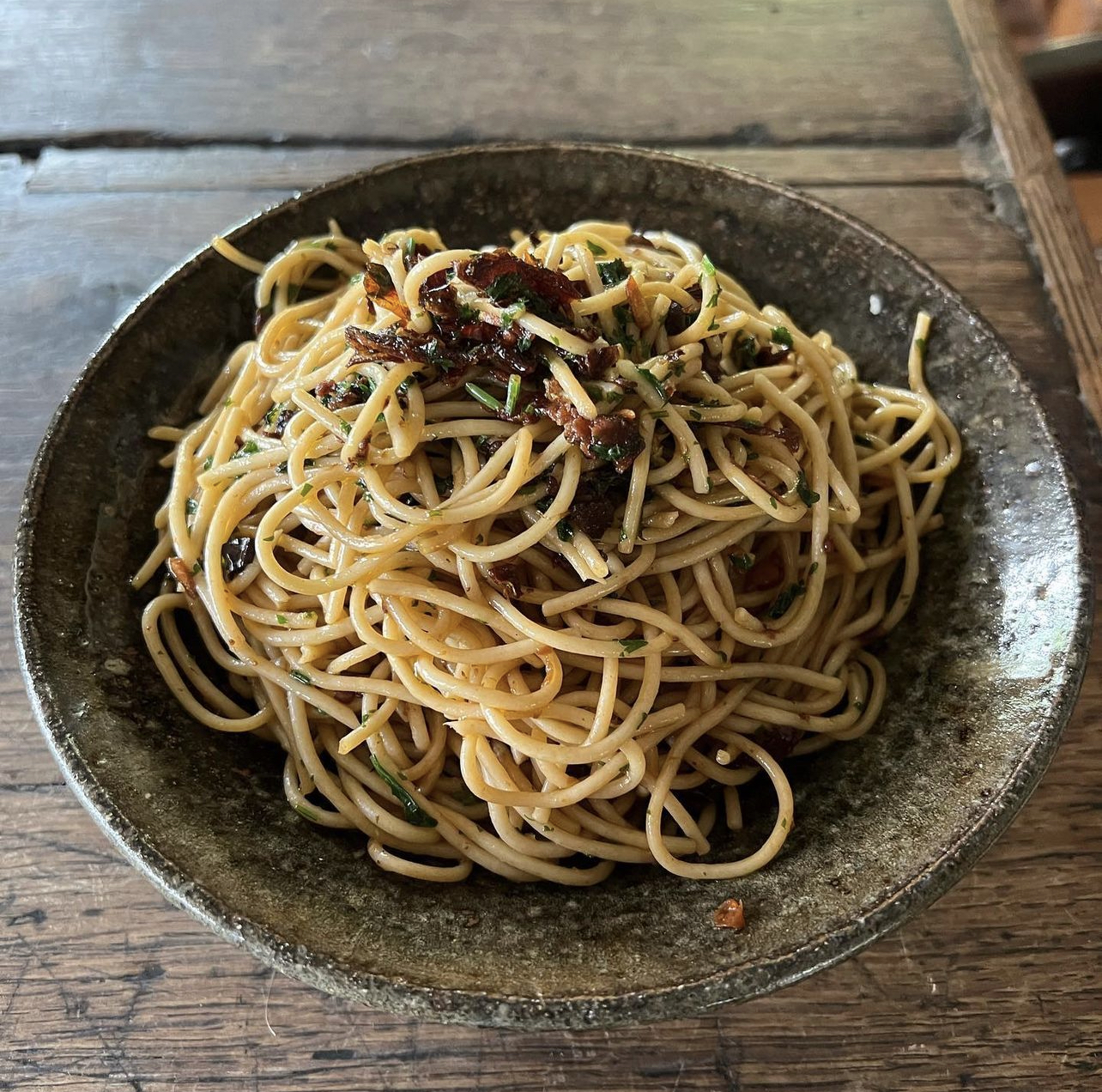
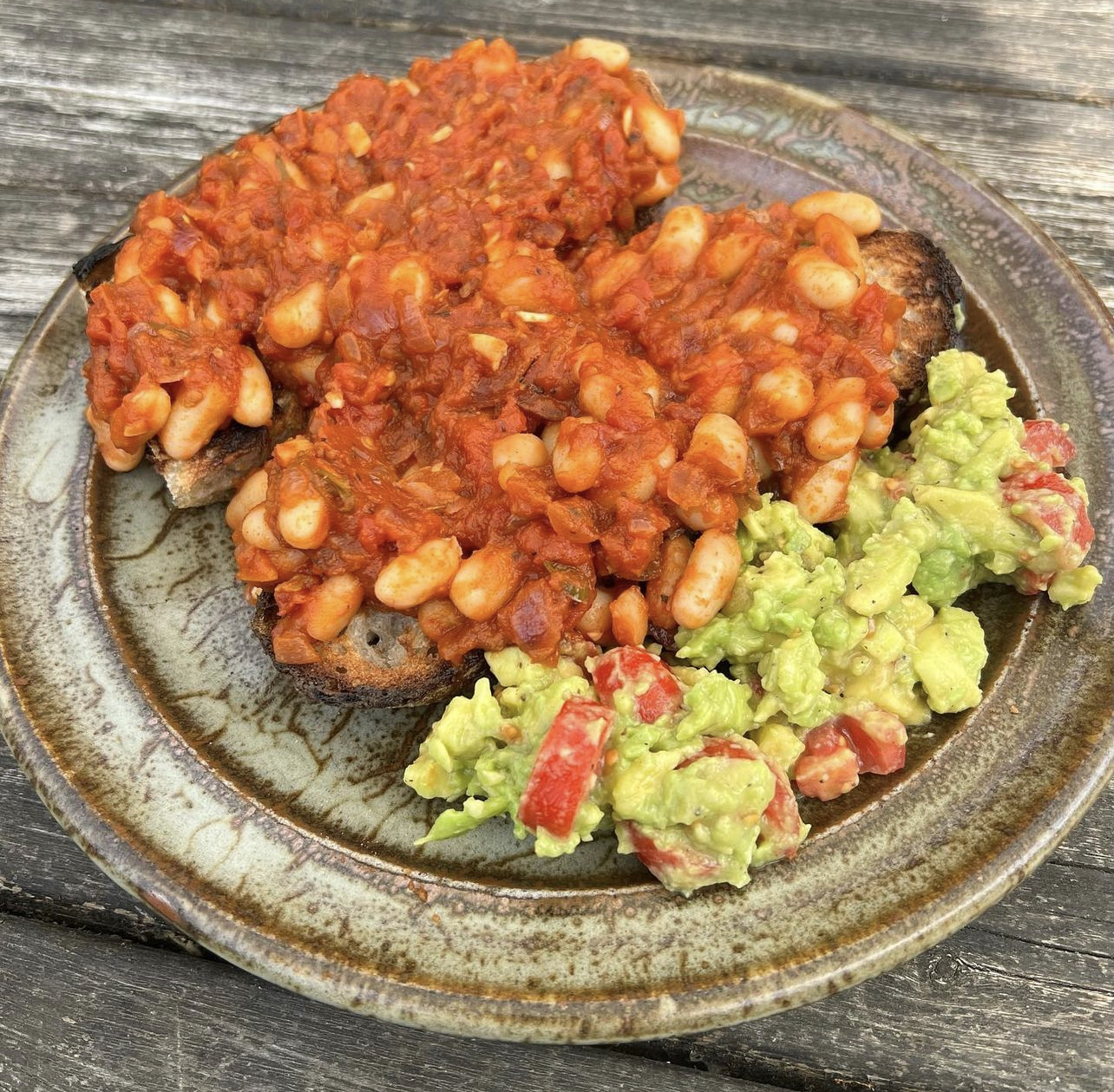
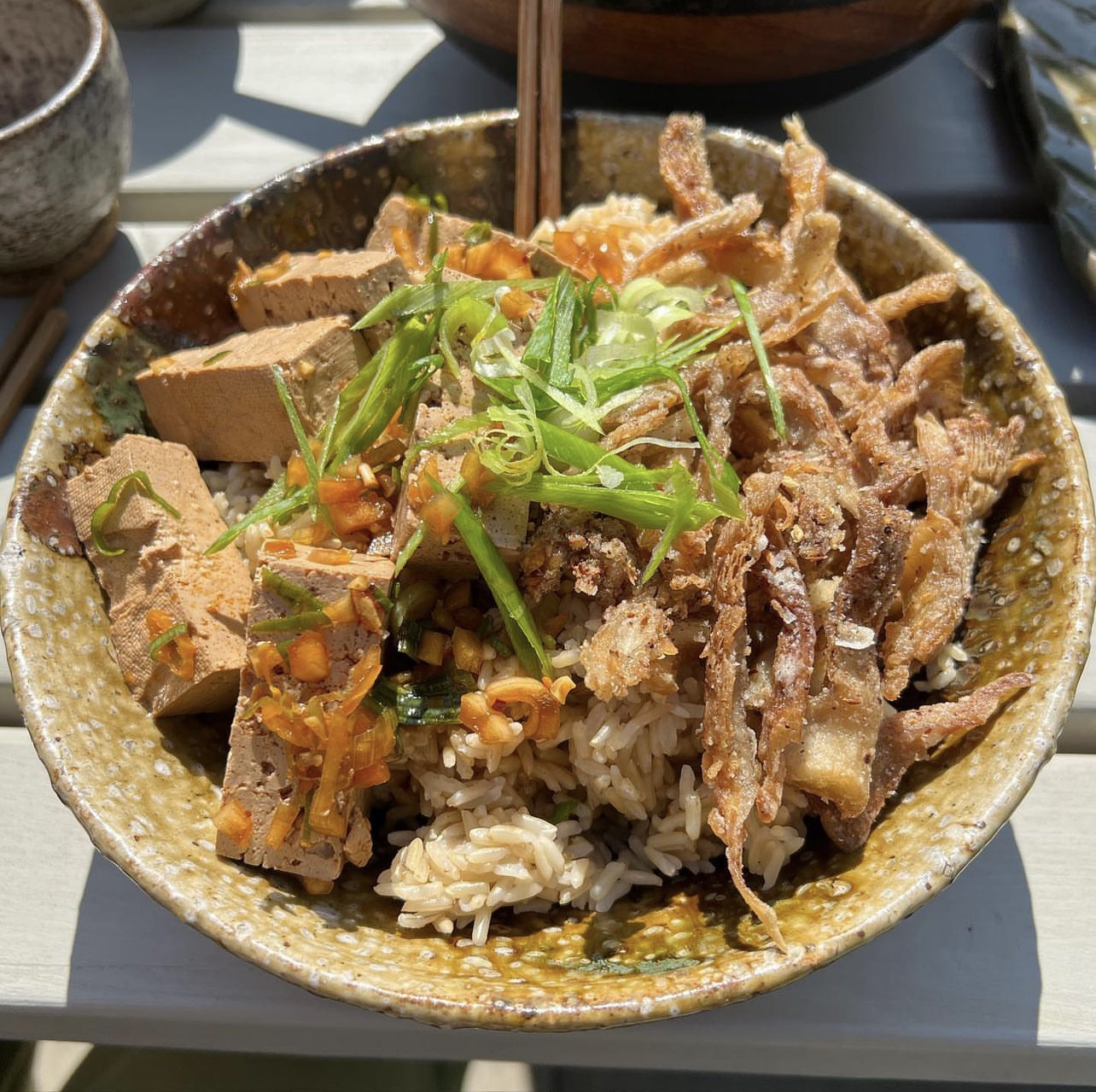
Protein is abundant in plant foods. The idea that you need meat for protein is outdated. Plants have been fuelling athletes and everyday people for years. Seitan packs a ridiculous 75g per 100g, peanut butter has 25g, tempeh comes in at 19g, and edamame sits around 11g. Even lentils, chickpeas, and black beans hover around 9g each. Personally, I eat a lot of tempeh and tofu, but it really comes down to whatever you enjoy.
B12 isn't produced by animals. It comes from bacteria in soil and water. Farmed animals are actually supplemented with B12 themselves, so taking a supplement directly is just cutting out the middleman. A tablespoon of fortified nutritional yeast gives you about 2.4 µg, fortified cereals around 2.5 µg per serving, and a cup of fortified plant milk adds another 1.2 µg. Even Marmite contributes about 0.5 µg per teaspoon if you're into that sort of thing.
Fish don't produce omega-3s. They get them from eating algae. So why not go straight to the source? Algae-based supplements provide DHA and EPA directly. For ALA (another type of omega-3), a single tablespoon of chia seeds gives you 5g, ground flaxseeds deliver 2.4g per tablespoon, walnuts provide 2.6g per ounce, and hemp seeds add about 1g per tablespoon. Plenty of options without the fish.
Two of the most common ones I get. The soy and estrogen thing is largely a myth. Soy contains phytoestrogens which are plant compounds that behave nothing like the estrogen in your body. The vast majority of soy grown globally is fed to livestock, not humans, so if you are worried about soy and the environment the most effective thing you can do is eat less meat. The irony of being asked this as a vegan is not lost on me.
I grew up vegetarian and was consistently one of the tallest in my year. Never felt weaker than anyone else. The idea that kids need dairy for strong bones comes largely from industry marketing. Humans are the only mammals that drink milk into adulthood. Sesame seeds have 975 mg of calcium per 100g, chia seeds have 630 mg, and calcium-set tofu comes in at 350 mg. For context, cow's milk has 120 mg, the same as fortified plant milk. A balanced vegan diet can easily meet all nutritional needs for growing kids.
Honestly neither could I at first and dairy was the last thing I let go of. The trick isn't willpower, it's slowly phasing things out while phasing better things in. Before I went fully vegan I spent a year being plant based, mostly following a vegan diet but allowing myself a cheat meal once a month. During that time I re-educated myself on cooking and pairing foods together, and by the time I made the full switch I barely noticed.